American Regeneration: Building Bridges Between Policy, Health, and Regenerative Land Restoration in Washington, DC
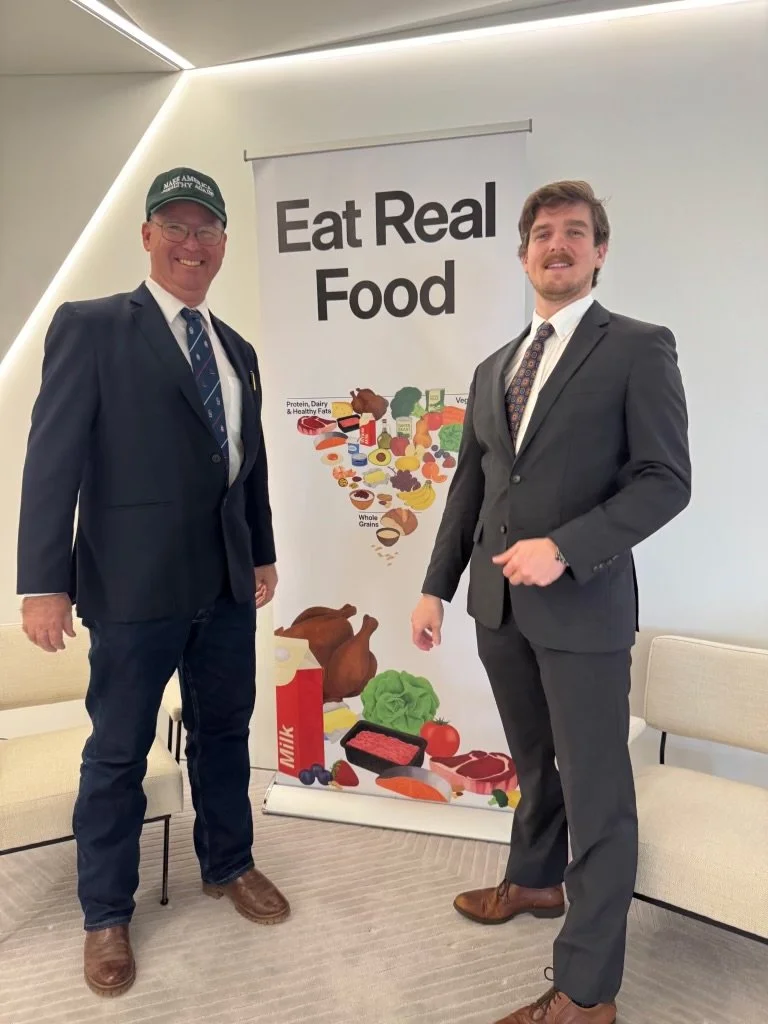
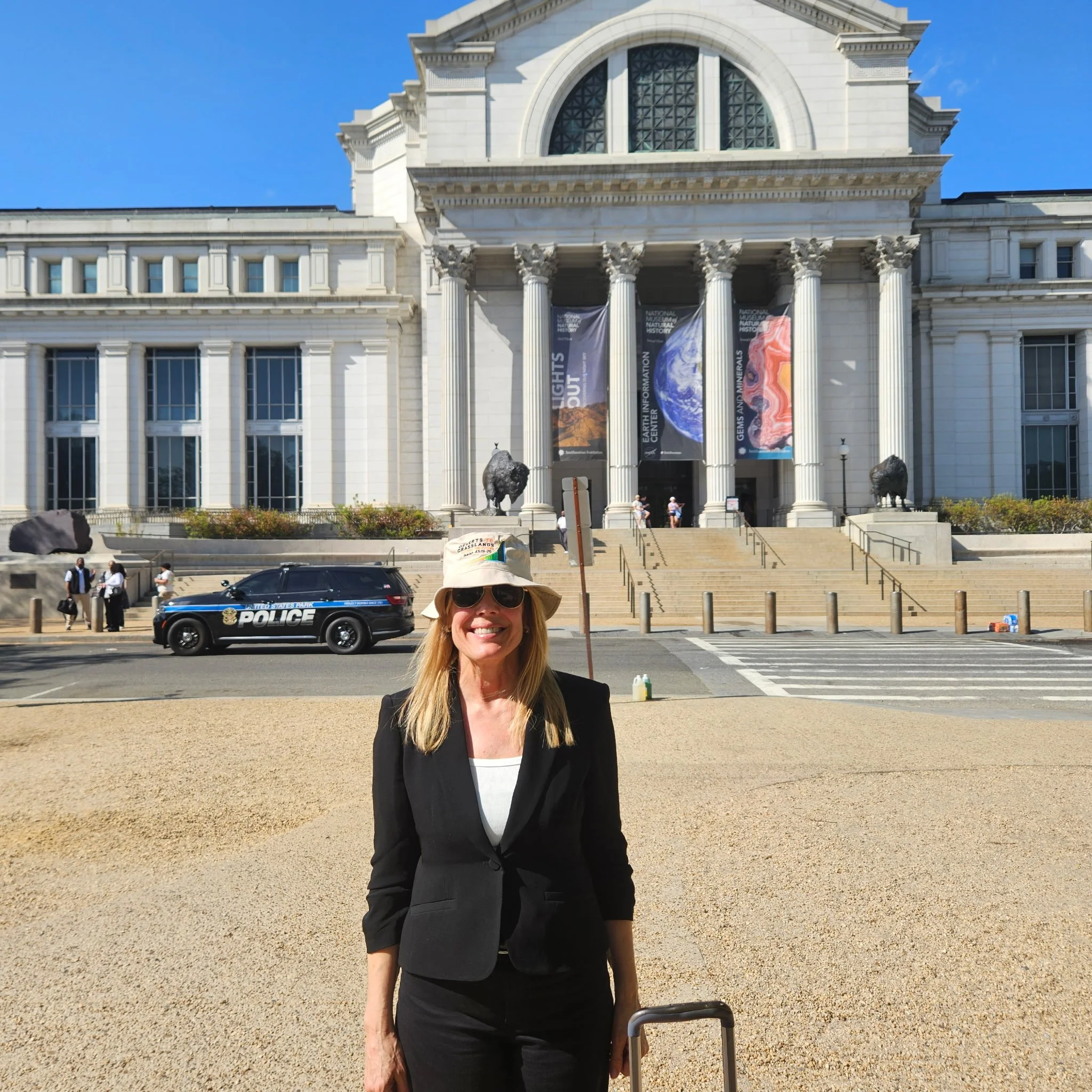
American Regeneration continues to create opportunities for collaboration between regenerative pioneers, policy leaders, and innovators working to restore both human and ecological health. In April 2026, regenerative agriculture leader Roger Savory, who serves as an advisor to American Regeneration, and environmental advocate Laura Turner Seydel joined a series of high level conversations in Washington DC with Robert F. Kennedy Jr. and senior administration officials focused on aligning agriculture, health, and national resilience policy.
A Systems View of America’s Health Crisis
The trip began with participation in MAHA focused gatherings where speakers outlined the scale of America’s health, food system, and chronic disease challenges. While much of the dialogue centered on the depth of the crisis, Roger Savory emphasized a unifying systems perspective:
“We are not dealing with separate crises we are dealing with a single broken relationship between land, food, and human health.”
The conversations consistently highlighted both urgency and opportunity. While the diagnosis of systemic failure is increasingly clear, the path forward depends on rapidly scaling regenerative solutions that reconnect soil health with human health.
Regeneration at the Heart of National Security
A major turning point in the visit came during a meeting in Secretary Kennedy’s office where Roger Savory and Laura Turner Seydel joined the Secretary and his senior staff to present a regenerative framework addressing both America’s health crisis and accelerating desertification across drylands.
Roger framed the issue directly:
“National security depends on creating nutritious food in America’s drylands.”
The discussion focused on a regenerative land transformation approach described as biocarpeting, designed to restore degraded desert systems into functional dryland grassland savanna ecosystems. This approach centers on rebuilding soil biology to dramatically increase water retention, biodiversity, and biomass, restoring what was described as a living solar energy conversion system across degraded landscapes.
From Desert Restoration to Nutrient Dense Food Systems
The conversation also explored regenerative livestock systems and nutrient dense food production. Roger introduced a provocative framing that challenged conventional assumptions about ruminant biology, stating:
“Cows do not eat grass.”
He explained the ruminant system as a microbial ecosystem in which livestock primarily harvest nutrients through the microorganisms they cultivate internally. This led into a broader discussion of biodiverse fermented forage systems composed of more than 60 plant species grown in regenerating soils and paired with microbial inputs designed to enhance nutrient cycling and food quality.
Within this model, livestock are fed a diverse fermented forage system intended to optimize digestion, reduce harmful residues, and improve nutrient density in the resulting food.
Nutritional Density and Human Health Linkages
Roger further described how fermentation processes may break down chemical compounds over time and improve overall nutrient density in food systems. The resulting beef, referred to in the discussion as neat meat, was presented as a high density nutritional food with elevated levels of fatty acid and phospholipid compounds including plasmalogens, lysolecithins, and acylcarnitines, and a reported omega 3 to omega 6 balance approaching 1 to 1.
He emphasized the potential relevance of these compounds in human health, noting that plasmalogens support cellular membrane integrity and oxidative protection, and that low levels have been associated in research literature with a range of chronic and degenerative conditions.
Pilot Proposal and National Scale Opportunity
The meeting included a proposal for an initial 10 million dollar pilot project on Ted Turner’s Amadarius Ranch in the desert Southwest in New Mexico designed to validate regenerative dryland restoration systems at scale before broader deployment.
The urgency of timing was emphasized, with seasonal agricultural windows already approaching closure and implementation needing to align with immediate planting and grazing cycles.
Secretary Kennedy and his team engaged deeply with the scope of the proposal, recognizing its intersections across rural livelihoods, public health, food system resilience, water security, climate stabilization, and national security.
This alignment reflects a growing recognition that regenerative agriculture is not a niche intervention but a systems level solution with national implications.
Personal and Policy Alignment Around Real Food
The conversation was particularly resonant because it aligned with Secretary Kennedy’s broader public focus on reforming America’s food system toward real food frameworks and away from ultra processed diets.
The discussion around regenerative agriculture, nutrient dense red meat, and soil health directly connected to his ongoing emphasis on rebuilding dietary guidelines around whole foods. His personal dietary focus on meat and fermented vegetables also created a grounded practical dimension to the exchange, bridging policy, science, and lived experience.
This alignment made the dialogue both professionally substantive and personally engaging, reinforcing shared interest in restoring food quality as a foundation for national health.
Expanding the Coalition for Regenerative Change
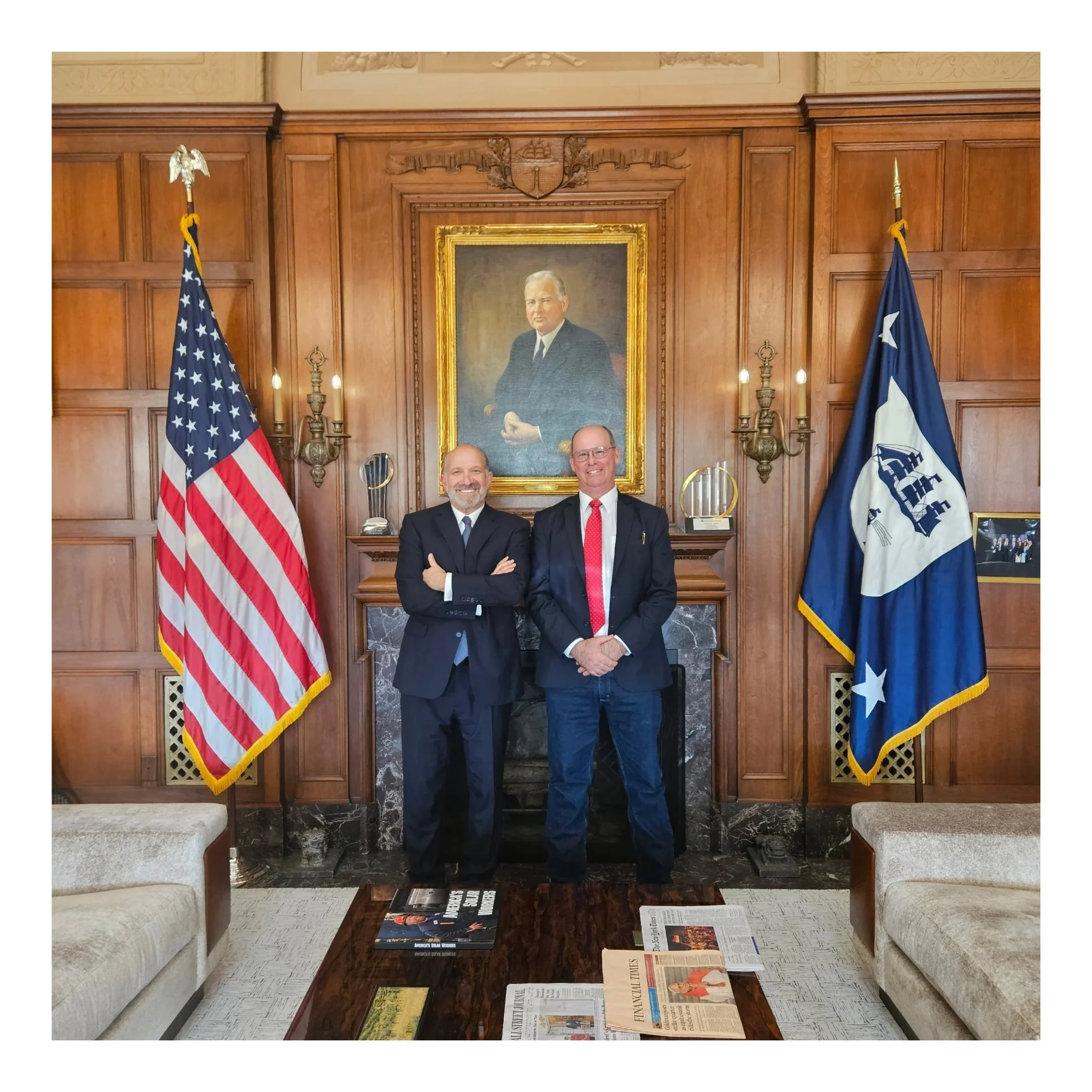
The delegation also met with Howard Lutnick to discuss the scale of investment required to transition millions of acres into regenerative production systems. While initial discussions included skepticism around implementation pathways, the dialogue ultimately shifted toward systems level thinking about national infrastructure and long term agricultural transformation.
Subsequent discussions expanded into policy mechanisms for regenerative investment including soil and water sequestration incentives, livestock system reform, and rural economic revitalization strategies tied to ecological outcomes.
Conclusion: Convening for a Regenerative Future
American Regeneration is proud to help convene these cross sector collaborations, linking regenerative pioneers, scientific practitioners, philanthropists, and government leaders in shared purpose.
By bridging agriculture, health, and economic policy, these conversations are helping lay the foundation for practical pathways toward restoring America’s soils, ecosystems, rural communities, and long term human health together, advancing a vision where regeneration becomes the organizing principle of the next 250 years.